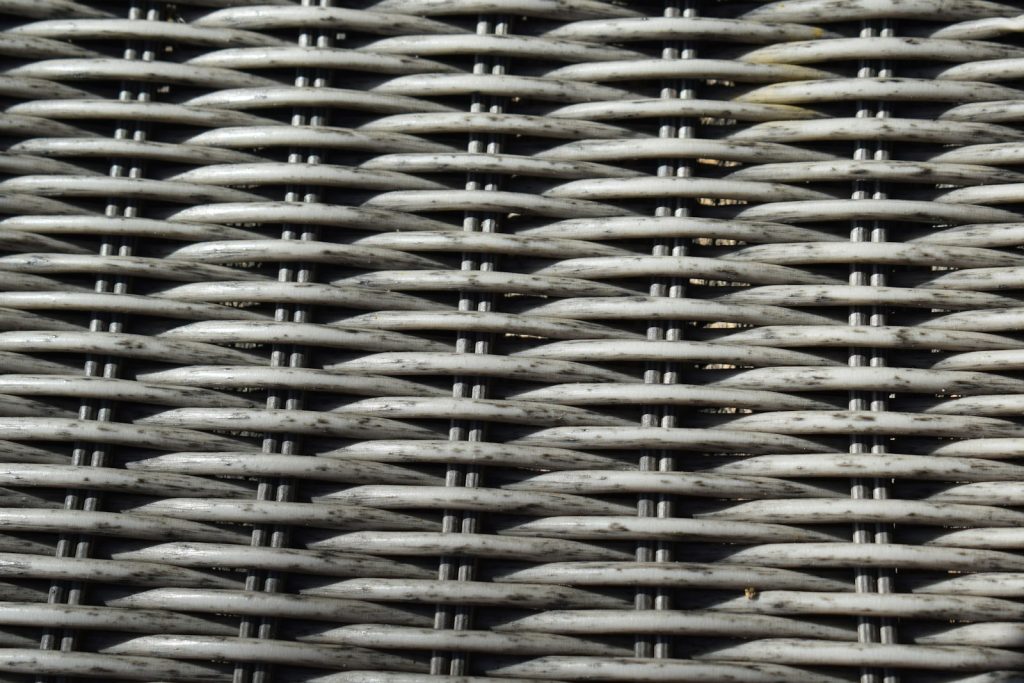
Sourcing & export note: Indonesia supplies over 80% of the world’s natural rattan raw material; we aggregate vetted producers in Cirebon, Jepara and Bali. Natural rattan (Calamus and Daemonorops spp.) is not listed under CITES, so no CITES permit is required. Roll dimensions, strand width, weave consistency and moisture (kiln-dried to a 12–16% range) vary naturally by producer and order. Prices are indicative ranges (last verified June 2026); final pricing is by quote per pattern and width. We are an independent sourcing and export desk, prepare standard export documents, and connect you to vetted Indonesian workshops — this is general information, not legal or customs advice.
As your dedicated seagrass webbing supplier, we provide comprehensive sourcing and export services for natural fiber rolls from Indonesia. We specialize in connecting international buyers with high-quality seagrass and water hyacinth webbing, ensuring transparent specifications, consistent production, and reliable logistics.
Understanding Seagrass and Water Hyacinth Webbing
The demand for natural, sustainable materials in design and manufacturing continues to grow. Seagrass and water hyacinth webbing offer unique textures and characteristics distinct from traditional rattan, providing versatile options for various applications. We facilitate direct procurement from skilled artisans and production facilities across Indonesia.
What are These Natural Fibers?
Seagrass (genus *Thalassia*, *Enhalus*, *Cymodocea*, etc.) and water hyacinth (*Eichhornia crassipes*) are aquatic or wetland plants abundant in tropical and subtropical regions, including Indonesia. These plants are renewable resources, growing quickly in their natural habitats. Unlike woody rattan, both seagrass and water hyacinth are fibrous, leafy materials.
* Seagrass: Typically harvested from coastal or estuarine environments. The leaves are long, slender, and possess a naturally smooth, slightly waxy surface. When dried, seagrass fibers become robust, developing a distinctive earthy green or brown hue that often mellows over time. Its inherent strength makes it suitable for tight, durable weaves.
* Water Hyacinth: A free-floating aquatic plant common in freshwater systems like lakes, rivers, and ponds. Its stems and leaves are harvested. Once dried, water hyacinth fibers are softer and more pliable than seagrass, exhibiting a lighter, often straw-like coloration with a slightly coarser texture. The hollow structure of its fibers contributes to its lighter weight and unique tactile quality.
Both materials contribute to sustainable practices, often harvested by hand by local communities. Their rapid growth cycles mean they are replenished quickly, making them environmentally sound choices for natural fiber webbing.
The Harvesting and Preparation Process
The quality of natural seagrass and water hyacinth webbing begins with meticulous harvesting and preparation. Our network of producers adheres to processes that preserve fiber integrity, ensuring suitability for weaving.
1. Harvesting: Plants are typically harvested manually. For seagrass, this often involves cutting the long leaves close to the base. Water hyacinth is collected from water bodies, often as part of efforts to manage its proliferation.
2. Cleaning and Drying: Post-harvest, the raw fibers are cleaned to remove any sediment, debris, or excess moisture. They are then naturally dried under the sun. This crucial step reduces moisture content, prevents mold growth, and sets the natural color of the fibers. Improper drying can lead to brittle fibers or inconsistent coloration, which we monitor closely during our QC process.
3. Sorting and Bundling: Dried fibers are sorted by length, thickness, and color consistency. This step ensures that only suitable strands are used for weaving, contributing to uniform webbing rolls. The sorted fibers are then bundled, ready for the weaving stage.
4. Weaving: Skilled artisans, primarily in Java, Madura, and Sulawesi, hand-weave these prepared fibers into a variety of patterns. This labor-intensive process requires precision to create consistent patterns and tension across the entire roll. The craftsmanship significantly impacts the final product’s aesthetic and structural integrity.
Applications and Design Versatility of Natural Fiber Webbing
Natural fiber webbing, particularly from seagrass and water hyacinth, offers significant versatility for manufacturers and designers seeking authentic, eco-friendly materials. Its unique texture and visual appeal lend themselves to diverse applications beyond those traditionally associated with rattan.
Common Uses in Furniture and Decor
While less structural than rattan, seagrass and water hyacinth webbing are highly valued for their aesthetic and tactile qualities in a range of products.
* Accent Furniture: Ideal for cabinet door inserts, drawer fronts, headboards, and decorative panels. The webbing provides a visual break from solid materials, introducing texture and warmth.
* Baskets and Storage: A traditional application where the inherent durability of seagrass, in particular, shines. Water hyacinth’s softer nature also makes it suitable for decorative storage.
* Placemats and Tableware: Woven placemats, coasters, and serving trays benefit from the natural resistance to moisture and ease of cleaning these fibers offer.
* Wall Coverings and Panels: Used for creating textured wall features or decorative screens that diffuse light and add organic character to interior spaces.
* Lighting Fixtures: Lampshades and pendant light covers woven from these fibers cast a warm, ambient glow, enhancing the natural aesthetic.
* Accessories: Handbags, sandals, and other fashion accessories frequently incorporate panels or accents of these webbings for an artisanal touch.
Aesthetic Characteristics and Design Integration
The appeal of seagrass and water hyacinth lies in their distinctive appearance and feel, which integrate seamlessly into various design styles.
* Earthy Texture: Both materials provide an undeniable organic feel. Seagrass offers a slightly smoother, more uniform surface, while water hyacinth presents a coarser, more rustic texture.
* Natural Color Palette: Predominantly in shades of natural greens, browns, and tans, these fibers offer a neutral base that complements a wide range of color schemes. The color can vary naturally from roll to roll due to plant age, harvesting season, and drying conditions.
* Sustainability: As rapidly renewable resources, they align with sustainable design principles and appeal to markets focused on eco-conscious consumerism.
* Biophilic Design: Their connection to nature makes them excellent choices for biophilic design, fostering a sense of well-being and connection to the natural world within built environments.
Key Differences: Seagrass & Water Hyacinth vs. Rattan
Understanding the fundamental differences between seagrass, water hyacinth, and rattan is crucial for material selection. While all are natural fibers used in weaving, their properties dictate their optimal applications.
Material Properties Comparison
The following table outlines key distinctions, helping buyers assess suitability for specific projects.
| Feature | Seagrass | Water Hyacinth | Rattan |
| :——————– | :———————————————— | :———————————————— | :——————————————————- |
| Botanical Origin | Aquatic/wetland grasses (leaves) | Aquatic plant (stems/leaves) | Woody vine (stem) |
| Structural Use | Limited; decorative, paneling, light support | Limited; decorative, light paneling | High; structural frames, furniture, load-bearing |
| Fiber Texture | Smooth, firm, slightly waxy | Coarser, softer, more fibrous | Smooth, pliable (skin); woody, dense (core) |
| Natural Color | Earthy green to brown, often darkening with age | Light straw to tan, naturally variegated | Cream to light yellow, darkening to honey with age/finish |
| Flexibility | Moderate; becomes more pliable when moist | High; very pliable, easier to bend | High; extremely flexible when steamed, retains shape |
| Durability | Good for its class; resistant to some moisture | Moderate; can be more delicate | Excellent; highly durable and resilient |
| Weight | Moderate | Light | Moderate to heavy (depending on diameter) |
| Moisture Resistance | Fair; suitable for some outdoor/humid conditions | Fair; more prone to absorption than seagrass | Good, but susceptible to mold if prolonged exposure |
| Primary Applications | Baskets, placemats, accent panels, decor | Soft baskets, placemats, delicate panels, decor | Structural furniture, traditional webbing, binding |
This comparison clarifies that while seagrass and water hyacinth excel in textural and aesthetic applications, rattan remains the choice for structural integrity and high-stress components.
Standard Weave Patterns for Seagrass and Water Hyacinth
The natural pliability and consistent fiber length of seagrass and water hyacinth allow for a range of weave patterns, each imparting a distinct visual and tactile quality. As a dedicated seagrass weaving supplier, we ensure the consistent execution of these patterns across our production network.
Open Weaves
Open weaves are characterized by gaps between the woven strands, creating a lighter appearance and allowing for air circulation or light diffusion.
* Radio Weave (Cane Weave Imitation): This pattern, often associated with traditional rattan cane, can be adapted for seagrass. It features hexagonal holes formed by intersecting strands. While seagrass can achieve this, the resulting product is softer and less rigid than traditional rattan cane webbing. It is often used for cabinet inserts or decorative screens where a classic look is desired without the structural demands.
* Hexagonal Open Weave: Similar to the radio weave, this pattern emphasizes the hexagonal voids, providing a delicate and airy aesthetic. Strand widths can vary, impacting the size of the holes and the overall density.
* Basket Weave (Open Variation): A looser version of the closed basket weave, where strands are woven over and under with visible gaps. This creates a more rustic and breathable texture, often seen in decorative panels.
Closed Weaves
Closed weaves feature tightly packed strands, resulting in a solid surface without significant gaps. These patterns offer greater visual density and can provide more robust paneling.
* Plain Weave (Tabby Weave): The simplest and most common closed weave, where each weft strand alternates over and under each warp strand. This creates a uniform, flat surface. It’s a versatile choice for a clean, understated look, widely used for placemats, bags, and furniture panels.
* Basket Weave (Closed Variation): In this pattern, two or more warp strands are woven over and under two or more weft strands, creating a checkerboard effect. This weave is visually pronounced and offers a sturdy, textured surface, often seen in larger panels or storage solutions.
* Twill Weave: Less common for seagrass due to the fiber’s inherent stiffness, but achievable with water hyacinth. This weave creates diagonal lines on the fabric’s surface, adding a subtle directional texture. It’s a more complex weave that offers a different visual dynamic.
Strand Widths and Their Impact
The width of individual seagrass or water hyacinth strands significantly influences the final appearance and feel of the webbing.
* Fine Strands (2-3mm): Result in a more delicate, intricate weave. Ideal for applications requiring a refined finish, such as decorative accents, smaller panels, or detailed accessories. These often demand more weaving time.
* Medium Strands (4-5mm): The most common choice, offering a balance between detail and robustness. Suitable for a wide range of furniture inserts, wall coverings, and larger items.
* Wide Strands (6mm+): Produce a bolder, more rustic appearance. Used when a pronounced texture is desired, often in larger-scale applications or items requiring a more casual aesthetic.
We work with producers to specify the precise strand widths to meet your design requirements, ensuring consistency across your order.
Technical Specifications for Seagrass and Water Hyacinth Webbing Rolls
Precise technical specifications are paramount for B2B buyers. We detail the typical roll dimensions, moisture content considerations, and finish options for natural seagrass roll and water hyacinth products.
Standard Roll Dimensions
Webbing rolls are typically supplied in standard widths and lengths to facilitate manufacturing and minimize waste. Variations can be accommodated, subject to MOQ.
* Standard Roll Widths:
* 45 cm (approximately 18 inches): Common for smaller furniture components, drawer fronts, and decorative accents.
* 60 cm (approximately 24 inches): A versatile width, popular for cabinet door inserts, chair backs, and medium-sized panels.
* 90 cm (approximately 36 inches): Ideal for larger panels, headboards, and extensive surface applications, reducing the need for seams.
* Custom Widths: Available upon request, subject to production feasibility and increased MOQ.
* Standard Roll Lengths:
* 15 linear meters (approximately 49 feet): A common length for manageable handling and moderate project requirements.
* 25 linear meters (approximately 82 feet): Preferred for larger production runs, offering efficiency.
* Custom Lengths: Can be arranged for specific projects, often correlating with total order volume.
All dimensions are nominal, with slight variations +/- 2% considered within industry tolerance for handwoven natural products.
Moisture Content and Storage Considerations
Maintaining appropriate moisture content is critical for the stability and longevity of natural fiber webbing.
* Target Moisture Content (MC): For export, we target a moisture content between 8-12% for dried seagrass and water hyacinth webbing. This range helps prevent mold growth during transit and storage, while also minimizing brittleness or excessive shrinkage/expansion.
* Testing: Our QC process includes spot checks of moisture content using digital meters to ensure compliance before packing.
* Storage Recommendations: Upon receipt, webbing rolls should be stored in a dry, well-ventilated environment, away from direct sunlight or extreme temperature fluctuations. Prior to use, it’s often advisable to acclimatize the webbing to the manufacturing environment for 24-48 hours. For certain applications, especially those involving framing, a slight re-wetting (misting) of seagrass can increase pliability, allowing for a tighter fit upon drying, though this is less common than with rattan. Water hyacinth is generally pliable enough without re-wetting.
Finish Options and Treatments
Natural seagrass roll and water hyacinth webbing are typically supplied unfinished, allowing manufacturers flexibility in application.
* Natural (Unfinished): The most common option, preserving the raw, earthy aesthetic of the fibers. This allows buyers to apply their preferred sealants, lacquers, or stains to match their product lines.
* Clear Coating: A light clear lacquer or varnish can be applied by the end-user to protect the surface from dirt and moisture, enhance durability, and slightly deepen the natural color.
* Staining: While less common for seagrass due to its dense surface, water hyacinth can absorb stains to a limited extent, altering its natural hue. Testing is always recommended due to variable absorption.
* Pest Treatment: All materials are fumigated or treated in accordance with international phytosanitary regulations prior to export to prevent pest infestation. Documentation such as a Phytosanitary Certificate is provided.
Quality Control and Expected Natural Variation
As your dedicated materials procurement desk, we emphasize transparent quality control (QC) and realistic expectations regarding natural variation in handwoven products.
Our QC Protocol for Natural Fiber Webbing
Our QC process is designed to ensure that products meet specified standards while acknowledging the inherent characteristics of natural, handwoven materials.
1. Raw Material Inspection: We verify the quality of harvested and dried fibers, checking for uniformity in color, length, and absence of significant defects or foreign matter.
2. During Production Checks: Artisans and team leaders conduct in-process checks for consistent weave pattern, tension, and adherence to specified dimensions (strand width, roll width).
3. Final Roll Inspection: Each finished roll undergoes a thorough inspection for:
* Pattern Consistency: Uniformity of the weave across the entire roll.
* Dimensional Accuracy: Verification of specified width and length.
* Color Uniformity: While natural variation is expected, we check for any abrupt or unnatural discoloration.
* Structural Integrity: Absence of loose strands, breaks, or weak points in the weave.
* Cleanliness: Ensuring the webbing is free from dirt, mold, or debris.
4. Moisture Content Verification: Spot checks are performed to confirm moisture levels are within the acceptable range for export.
5. Packaging Inspection: Rolls are checked for proper, protective packaging suitable for international shipping.
Distinguishing Natural Characteristics from Manufacturing Defects
It is critical for buyers to understand what constitutes a natural variation versus a manufacturing defect. This clarity helps manage expectations and facilitates smooth transactions.
Natural Characteristics (Expected and Acceptable):
* Color Variation: Natural fibers exhibit subtle shifts in color due to differences in plant age, growing conditions, and drying processes. Seagrass can range from green to brown, water hyacinth from light straw to tan. These variations add to the authentic appeal of the product.
* Texture Irregularities: Minor differences in fiber thickness or a slightly uneven texture are inherent to hand-harvested and hand-woven materials.
* Minor Strand Discontinuities: Occasionally, a fiber may end within a weave or a new fiber may be introduced. Skilled weavers will integrate these seamlessly, and they are not considered defects unless they compromise the structural integrity or visual flow significantly.
* Faint Odor: A mild, earthy scent is natural for plant-based fibers, especially when new or in humid conditions. This typically dissipates over time.
Manufacturing Defects (Unacceptable):
* Inconsistent Weave Pattern: Significant deviations from the specified pattern, such as skipped strands, incorrect interlacing, or abrupt changes in weave density.
* Roll Dimensional Discrepancies: Rolls that consistently fall outside the +/- 2% tolerance for width or length.
* Structural Damage: Tears, holes, or extensive loose/broken strands that compromise the webbing’s integrity.
* Visible Mold or Pest Infestation: Any evidence of fungal growth or insect activity indicates improper processing or storage.
* Excessive Foreign Matter: Inclusion of non-fiber materials within the weave.
* Unnatural Discoloration: Stains from chemicals, oil, or non-natural sources.
Our QC team is trained to differentiate between these, ensuring that only products meeting our quality thresholds for natural fiber webbing are prepared for export.
Ordering, Pricing, and Logistics from Indonesia
Transparency in ordering, pricing, and logistics is a cornerstone of our service as a water hyacinth webbing wholesale and seagrass supplier. We provide clear guidelines for procurement.
Minimum Order Quantity (MOQ)
To ensure efficient production runs and competitive pricing, we typically operate with MOQs.
* For Standard Patterns & Widths: The MOQ for seagrass and water hyacinth webbing rolls is generally 100 linear meters per pattern and width.
* For Custom Patterns or Widths: MOQs may increase to 200-300 linear meters depending on the complexity and setup requirements.
* Mixed Orders: We can often accommodate mixed orders of different patterns or materials to reach a container load, provided individual MOQs for each item are met.
Indicative FOB Pricing
Pricing for natural fiber webbing is influenced by material availability, weave complexity, strand width, and order volume. All prices are provided as ranges and are subject to change based on market conditions.
* Seagrass Webbing (Standard Weaves, 60cm width):
* Indicative Range: US$ 3.50 – US$ 6.00 per linear meter.
* Water Hyacinth Webbing (Standard Weaves, 60cm width):
* Indicative Range: US$ 3.00 – US$ 5.50 per linear meter.
* Factors Influencing Price: Finer strands, more complex weaves (e.g., intricate open patterns), and smaller order quantities will typically be at the higher end of the range.
* Last Verified: June 2026. Buyers should request a current quotation for precise pricing based on their specific order.
Production Lead Times
Production lead times commence upon confirmation of order and receipt of deposit.
* Standard Orders (100-500 linear meters): Typically 4-6 weeks for production.
* Larger Orders (500+ linear meters or custom specifications): May extend to 6-8 weeks, depending on current factory capacity and raw material availability.
* Shipping: Transit times are additional and vary by destination and shipping method (sea freight is standard for bulk orders). We coordinate closely with freight forwarders to provide estimated delivery schedules.
Export Documentation and Incoterms
We ensure all necessary documentation is prepared for smooth international trade.
* Standard Documentation: Includes Commercial Invoice, Packing List, Bill of Lading (B/L) or Air Waybill (AWB), Certificate of Origin, and Phytosanitary Certificate.
* Incoterms: Our standard offering is FOB (Free On Board) from Indonesian ports (e.g., Surabaya, Semarang, Jakarta). We can also quote CIF (Cost, Insurance, Freight) or CFR (Cost and Freight) upon request, where we arrange shipping and insurance to your designated port. Buyers are responsible for import duties and local clearance at the destination port under these terms.
Our Sourcing Network: Java, Madura, and Sulawesi
Our strength lies in our extensive network of skilled producers across Indonesia, specializing in natural fiber webbing. We ensure reliable supply and consistent quality by collaborating with established weaving communities.
Our primary sourcing hubs for both seagrass and water hyacinth webbing are located in:
* Java: Particularly Central and East Java, where generations of artisans have honed their weaving skills. These regions offer robust production capabilities and a strong infrastructure for material processing.
* Madura: An island off the coast of East Java, known for its distinct weaving traditions and dedicated workforce. Madurese artisans contribute significantly to the supply of high-quality webbing.
* Sulawesi: Certain areas in Sulawesi also contribute to our network, providing access to diverse raw material sources and specialized weaving techniques.
This distributed network enhances our capacity, mitigates risks associated with single-source reliance, and allows us to match specific buyer requirements with the most suitable production capabilities. Our on-the-ground team regularly visits these facilities to audit production, monitor quality, and ensure ethical labor practices are upheld.
We are not an operator ourselves, but an independent sourcing and export desk. This means we have the flexibility to select the best-suited production partner for your specific order, ensuring optimal quality and timely delivery. No one can pay to change what we publish; if you proceed with our partner they may pay us a referral fee at no extra cost to you.
Ready to explore the potential of natural seagrass and water hyacinth webbing for your next project? We invite you to plan your trip with us to discuss your specific requirements. Our team is available via WhatsApp to streamline your procurement process.
Frequently Asked Questions (FAQs)
Can seagrass and water hyacinth webbing be used outdoors?
While both materials offer some natural resistance to moisture, prolonged direct exposure to outdoor elements (rain, intense sun, humidity fluctuations) is not recommended. Seagrass is generally more durable than water hyacinth in damp conditions. For outdoor applications, it is best to use them in covered or semi-protected areas, and consider applying a marine-grade sealant for added protection and longevity.
How do I clean seagrass or water hyacinth webbing?
For routine cleaning, gently vacuum or brush the surface to remove dust and debris. For spills or light stains, blot immediately with a clean, damp cloth and mild soap. Avoid saturating the material, as excessive moisture can lead to warping or mold. Allow to air dry completely in a well-ventilated area. Do not use harsh chemical cleaners.
Is it possible to receive samples before placing a bulk order?
Yes, we understand the importance of material assessment. We can arrange for samples of specific weave patterns and fiber types. A nominal fee for samples and shipping costs will apply, which may be credited towards your first bulk order. Please contact us with your sample request, specifying the type of webbing, weave, and approximate dimensions you require.
What is the typical lifespan of seagrass and water hyacinth webbing?
The lifespan largely depends on the application, environmental conditions, and maintenance. In indoor, low-stress applications with proper care, these webbings can last for many years. Exposure to high traffic, direct sunlight, or moisture will shorten their lifespan. They are natural materials and will show signs of wear and age over time, contributing to their character.
Do you offer custom weave patterns or designs?
Yes, we can explore custom weave patterns or specific design requirements. This typically involves a higher Minimum Order Quantity (MOQ) and may require a development period for sampling and approval. Please provide detailed specifications, including drawings or reference images, and our team will assess feasibility and provide a custom quotation and lead time. This service is part of our commitment as a comprehensive seagrass weaving supplier.