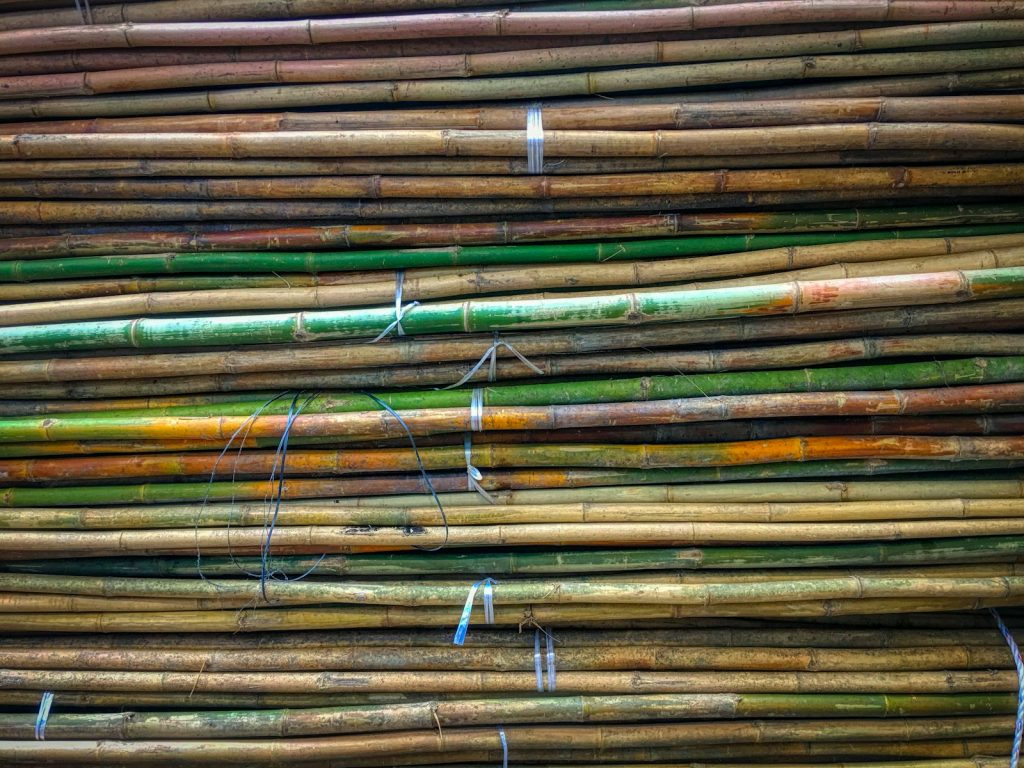
Sourcing & export note: Indonesia supplies over 80% of the world’s natural rattan raw material; we aggregate vetted producers in Cirebon, Jepara and Bali. Natural rattan (Calamus and Daemonorops spp.) is not listed under CITES, so no CITES permit is required. Roll dimensions, strand width, weave consistency and moisture (kiln-dried to a 12–16% range) vary naturally by producer and order. Prices are indicative ranges (last verified June 2026); final pricing is by quote per pattern and width. We are an independent sourcing and export desk, prepare standard export documents, and connect you to vetted Indonesian workshops — this is general information, not legal or customs advice.
Natural rattan webbing moisture content is a critical factor influencing the material’s quality, workability, and longevity. This intrinsic property of rattan, a natural cellulosic material, dictates how it interacts with ambient humidity and significantly impacts its performance in manufacturing and end-use applications.
As Materials & Pattern Editor, I frequently address questions regarding material behavior, and moisture management for rattan webbing is among the most vital. Maintaining the correct moisture balance is not merely a recommendation; it is a fundamental requirement for preserving the material’s structural integrity and aesthetic appeal from our warehouse to your workshop.
Understanding Rattan’s Hygroscopic Nature
Rattan, derived from various species of climbing palms, is a natural lignocellulosic material. Like wood, its cellular structure is inherently hygroscopic, meaning it readily absorbs and releases moisture from its surrounding environment. This characteristic is central to understanding how rattan webbing moisture content fluctuates.
The Cellular Structure of Rattan and Moisture Absorption
The intricate network of cellulose fibers within rattan acts like a sponge. These fibers contain hydroxyl groups that form hydrogen bonds with water molecules. When humidity is high, rattan’s cell walls absorb moisture, causing them to swell. Conversely, in dry conditions, moisture is released, and the cell walls contract. This continuous exchange makes rattan a dynamic material, constantly seeking equilibrium with the relative humidity of its atmosphere.
This natural process explains why uncontrolled exposure to varying humidity levels can lead to significant issues if not managed properly. Our focus is on mitigating these risks through controlled processing and providing clear guidance for storage and handling.
Optimal Rattan Webbing Moisture Content for Stability
For processed and kiln-dried natural rattan webbing, an optimal rattan roll moisture content range is between 12% and 16%. This range is established through extensive industry experience and scientific understanding of rattan’s properties. It represents the point at which the material is most stable, workable, and resistant to common defects.
Why 12-16% is the Industry Standard
This specific moisture window balances the material’s flexibility with its structural stability.
* Workability: Rattan within this range possesses sufficient pliability for weaving, bending, and installation without cracking or becoming overly rigid.
* Dimensional Stability: It minimizes expansion and contraction, reducing the risk of warping, buckling, or gapping in finished products.
* Resistance to Degradation: Proper moisture content helps prevent both fungal growth (at high levels) and brittleness (at low levels).
We meticulously monitor moisture content during our processing stages, including drying and storage, to ensure that the webbing we supply meets these critical specifications upon dispatch. Our quality control protocols include spot checks using pin-type or non-invasive moisture meters on randomly selected rolls from each batch.
The Effects of High Rattan Webbing Humidity
When rattan webbing humidity levels exceed the optimal 16% threshold, several detrimental effects can manifest. These issues compromise both the structural integrity and the aesthetic value of the material.
Mold and Fungal Growth
Excessive moisture creates a hospitable environment for mold, mildew, and other fungi to proliferate. These organisms feed on the organic compounds in rattan, leading to:
* Discoloration: Unsightly black, green, or white spots appear on the webbing surface.
* Odor: A musty, unpleasant smell develops, permeating the material.
* Structural Degradation: In severe cases, fungal growth can weaken the rattan fibers, making them brittle and prone to breakage.
Prevention is paramount. Once mold takes hold, it is exceedingly difficult to remove completely without leaving stains or compromising the material.
Dimensional Instability: Swelling and Warping
As rattan absorbs excess moisture, its fibers swell. This expansion can lead to:
* Tightening of Weaves: The weave pattern can become distorted or overly tight, making it difficult to work with or impacting the intended design.
* Warping and Buckling: If the expansion is uneven or constrained, the webbing can warp, buckle, or cup, creating an uneven surface that is challenging to flatten or install correctly.
* Shrinkage After Drying: If the material then dries rapidly, it can shrink excessively, leading to gaps or loose sections in finished pieces.
Increased Susceptibility to Pests
While less common than mold, high moisture content can also make rattan more attractive to certain pests, such as borers, which thrive in damp, organic environments. Though our rattan undergoes fumigation and treatment, prolonged exposure to high humidity can compromise these protective measures.
The Risks of Dry Rattan Webbing
Conversely, when dry rattan webbing falls below the optimal 12% moisture content, it becomes susceptible to a different set of problems that can be equally damaging.
Brittleness and Cracking
When rattan loses too much moisture, the natural oils and moisture within its cellular structure deplete, leading to:
* Loss of Flexibility: The material becomes rigid and loses its inherent pliability, making it difficult to bend, cut, or weave without damage.
* Cracking and Splintering: Rattan strands can become brittle and prone to cracking, especially during handling, cutting, or installation. This significantly impacts the aesthetic and structural integrity.
* Reduced Durability: Finished products made from overly dry rattan are more fragile and susceptible to damage from everyday use.
Excessive Shrinkage
Just as high moisture causes swelling, excessively low moisture content leads to significant shrinkage.
* Gaps in Weaves: The individual strands contract, potentially creating visible gaps within the weave pattern.
* Loose Installations: If installed while too dry, the rattan will absorb ambient moisture and expand slightly, but the initial shrinkage can lead to loose sections or an ill-fitting appearance.
* Stress on Adhesives/Fasteners: Shrinkage can put undue stress on the adhesives or fasteners used in installation, potentially leading to failure over time.
How to Store Rattan Webbing Properly
Effective storage is the primary defense against moisture-related issues. Proper handling and storage of rattan webbing rolls are crucial from the moment they arrive at your facility until they are ready for installation. Here is practical guidance on how to store rattan webbing to maintain its optimal moisture content and prevent damage.
Environmental Control: Temperature and Humidity
The storage area should ideally be a climate-controlled environment.
* Stable Temperature: Maintain a consistent temperature, avoiding extreme heat or cold fluctuations. A range between 18°C and 24°C (65°F and 75°F) is generally suitable.
* Controlled Humidity: The most critical factor. Aim for a relative humidity level between 50% and 60%. Dehumidifiers or humidifiers might be necessary depending on your local climate and storage conditions. Avoid storing rattan in damp basements, uninsulated garages, or directly exposed to outdoor elements.
Physical Protection: Off the Floor, Covered, and Flat
* Elevate from the Floor: Never store rattan webbing rolls directly on concrete floors. Concrete can draw moisture, transferring it directly into the rattan. Use pallets, risers, or shelving to keep rolls at least 15 cm (6 inches) off the ground.
* Keep Covered: Protect rolls from dust, dirt, and direct sunlight using breathable covers such as heavy-duty plastic sheeting or tarpaulins. Avoid airtight wraps that could trap moisture if the rattan is not perfectly dry, leading to condensation and mold. Ensure air circulation.
* Store Flat or Vertically (with support): Ideally, store rolls horizontally on a flat, stable surface to prevent deformation. If storing vertically, ensure they are supported to prevent crushing or warping of the ends, which can damage the weave. Avoid leaning rolls against walls for extended periods.
Air Circulation
Good airflow is essential to prevent localized humidity pockets and to allow the rattan to breathe. Do not stack rolls too tightly or against walls without adequate space. Leave a few inches of space between rolls and between rolls and walls to facilitate air movement.
Regular Inspection
Periodically inspect your stored rattan webbing. Look for any signs of mold, discoloration, or changes in texture. Early detection allows for corrective action before significant damage occurs.
Acclimation: Preparing Rattan for Installation
Even with optimal storage, rattan webbing needs an acclimation period before installation. This process allows the material to gradually adjust to the specific temperature and humidity of its final installation environment, minimizing post-installation issues.
Why Acclimation is Non-Negotiable
Rattan webbing supplied from our facility in Indonesia, having travelled through various climates, or stored in your warehouse, will have a specific moisture content. The environment where it will be installed – a dry interior space, a humid bathroom, or an air-conditioned office – likely has different conditions.
* Preventing Shrinkage/Expansion: Acclimation allows the rattan to reach equilibrium with the installation environment, preventing significant shrinkage or expansion after it has been cut and affixed.
* Ensuring Proper Fit: When the webbing is dimensionally stable, it will fit as intended, avoiding gaps, puckering, or undue tension.
* Minimizing Stress: It reduces stress on the material, adhesives, and underlying frame, contributing to a more durable and stable finished product.
The Acclimation Process
1. Unroll and Lay Flat: Remove the rattan webbing from its packaging. If possible, unroll it and lay it flat in the installation area or a room with similar environmental conditions. This exposes the entire surface to the ambient air.
2. Allow Sufficient Time: A minimum of 48 to 72 hours is recommended for most projects. For larger pieces or significantly different climates, allow up to a week.
3. Monitor Environmental Conditions: Ensure the installation area maintains a consistent temperature and humidity during the acclimation period.
4. Slightly Dampen (Optional, for very dry material): If the rattan feels excessively dry and brittle after acclimation, a very light misting of water on the *backside* of the webbing (using a fine spray bottle) can help restore pliability. Apply sparingly and allow it to penetrate evenly before installation. This step requires careful judgment and should only be done if the material is demonstrably too dry for working.
Distinguishing Natural Variation from Moisture Damage
As Kartika Putri, I emphasize that natural rattan is a product of nature, not a synthetic composite. Slight variations in color, texture, and strand thickness are inherent and part of its charm. However, it is crucial for buyers and installers to differentiate these natural characteristics from actual damage caused by improper moisture management.
- Natural Variation
-
- Color: Slight differences in hue (from pale straw to light golden brown) across a roll or between different rolls are expected. These are influenced by the rattan species, harvest time, and drying process.
- Texture: Minor irregularities in the smoothness or grain of individual strands are normal. Handwoven patterns may show slight inconsistencies in tension or alignment.
- Minor Blemishes: Small, non-structural marks or very subtle shifts in strand width can occur. These are typically not defects and do not compromise material integrity.
- Moisture-Related Damage
-
- Mold/Mildew: Distinctive black, green, or white fuzzy patches or spots, often accompanied by a musty odor. This is a clear indicator of excessive humidity.
- Severe Discoloration: Dark, uneven staining not consistent with natural color variations, indicating water damage or fungal activity.
- Brittleness/Cracking: Rattan strands that snap or splinter easily with minimal bending, indicating the material is too dry.
- Warping/Buckling: Significant, uneven distortion of the webbing’s flat plane, typically caused by drastic moisture fluctuations.
- Excessive Shrinkage/Expansion: Visible gaps appearing in the weave after installation, or the material feeling unusually tight and stiff due to uneven moisture absorption.
Our quality control process at Rattan Webbing Supplier distinguishes between these factors. We inspect each roll against established standards to ensure that any variation falls within acceptable natural parameters, and that no moisture-related damage is present upon dispatch. If you have concerns upon receiving an order, document them immediately with photographs and contact our desk.
For specific requirements regarding weave patterns—such as open cane, closed cane, herringbone, radio weave, or hexagonal patterns—and strand widths, we maintain precise specifications. However, the fundamental principles of moisture management apply uniformly across all natural rattan webbing types.
Understanding rattan webbing moisture management is not just about avoiding problems; it is about harnessing the material’s natural properties to achieve the best possible outcomes in your projects. By adhering to these guidelines, you ensure the longevity, stability, and aesthetic quality of the rattan webbing you source.
Planning your next project involving natural rattan webbing? We offer expertise across material types and weave patterns.
Plan your trip to discuss your specifications. Our team is also available for quick consultations via WhatsApp.
Frequently Asked Questions About Rattan Webbing Moisture
What happens if I install rattan webbing that is too dry?
If rattan webbing is installed while too dry, it will absorb moisture from the ambient air and expand. This expansion can lead to the webbing puckering, bulging, or putting undue stress on the frame or adhesives, potentially causing an uneven or unstable finish. The material may also be brittle during installation, leading to cracking or splintering.
Can I rehydrate dry rattan webbing?
Yes, moderately dry rattan webbing can often be rehydrated. The best method is to lightly mist the *backside* of the webbing with clean water using a fine spray bottle. Allow the moisture to absorb evenly for several hours or overnight. Avoid over-saturating the material, as this can lead to swelling and mold. The goal is to restore pliability, not to make it wet. Always follow with an acclimation period.
How does Incoterms relate to rattan webbing moisture?
Incoterms primarily define the responsibilities for shipping costs, insurance, and risk transfer between buyer and seller. While not directly dictating moisture content, the choice of Incoterm can indirectly impact moisture management. For instance, under CIF (Cost, Insurance, and Freight), the seller is responsible for delivering the goods to the destination port, including ensuring they are adequately packaged for transit. This packaging should ideally protect against significant moisture fluctuations during shipment. However, once the goods reach the buyer’s facility, the responsibility for maintaining optimal storage conditions and managing rattan webbing humidity shifts to the buyer. We ensure proper export packaging for all Incoterms, but subsequent handling is crucial.
What is the typical lead time for custom rattan webbing orders, considering drying processes?
Lead times for custom rattan webbing orders can vary significantly based on the complexity of the weave, required quantity, and specific drying or treatment processes. Typically, for standard patterns and quantities, you might expect a lead time of 4-8 weeks from order confirmation to dispatch from our facility, assuming raw material availability. For very large orders or highly specialized patterns, this can extend to 10-14 weeks. This timeframe accounts for the necessary processing, including careful drying to achieve optimal rattan roll moisture content before packaging and export. We always provide a detailed timeline with your quote.
Is synthetic rattan webbing also affected by moisture?
No, synthetic rattan webbing (typically made from polyethylene, or PE) is largely impervious to moisture. Its non-porous, man-made composition means it does not absorb or release water in the same way natural rattan does. Therefore, issues like mold, swelling, shrinkage, or brittleness due to moisture fluctuations are not concerns with synthetic webbing. This makes it a preferred choice for outdoor or high-humidity applications where natural rattan would require significant protection.
We are committed to transparent and professional partnerships. No one can pay to change what we publish; if you proceed with our partner they may pay us a referral fee at no extra cost to you. For any further questions on material specifications, processing, or logistics, do not hesitate to reach out. We are here to support your project success.
Ready to specify your next rattan webbing order with confidence? Our team is available to assist with material selection, pattern details, and all logistical considerations.
Plan your trip to our contact page or connect with us directly via WhatsApp.