Sourcing & export note: Indonesia supplies over 80% of the world’s natural rattan raw material; we aggregate vetted producers in Cirebon, Jepara and Bali. Natural rattan (Calamus and Daemonorops spp.) is not listed under CITES, so no CITES permit is required. Roll dimensions, strand width, weave consistency and moisture (kiln-dried to a 12–16% range) vary naturally by producer and order. Prices are indicative ranges (last verified June 2026); final pricing is by quote per pattern and width. We are an independent sourcing and export desk, prepare standard export documents, and connect you to vetted Indonesian workshops — this is general information, not legal or customs advice.
Rattan webbing wall panels are a distinct application of natural and synthetic woven materials, providing an organic texture and biophilic element to large-scale interior surfaces. As a `rattan wall panel supplier`, we facilitate the procurement of specialized webbing designed for extensive architectural and design projects, ensuring consistency and quality from our Indonesian production facilities.
The Appeal of Rattan Webbing Wall Panels in Contemporary Design
The integration of natural materials into built environments continues to gain traction within interior design. Rattan webbing, particularly when employed as a wall panel, offers a tactile and visually compelling surface that aligns with modern aesthetic and functional requirements. It moves beyond traditional furniture components to become a primary cladding material.
Integrating Biophilic Principles
Biophilic design seeks to connect building occupants with nature through direct natural elements, natural analogues, and spatial experiences. Rattan webbing, derived from a sustainably harvested vine, serves as a direct natural analogue. Its intricate weave patterns introduce organic complexity and visual interest. For large-scale `rattan webbing wall panel` installations, this translates into a calming, natural backdrop that can enhance well-being in commercial, hospitality, and residential settings. The material’s warmth and texture contribute to interiors that feel grounded and inviting, a deliberate counterpoint to sterile, purely synthetic environments.
Aesthetic Versatility and Materiality
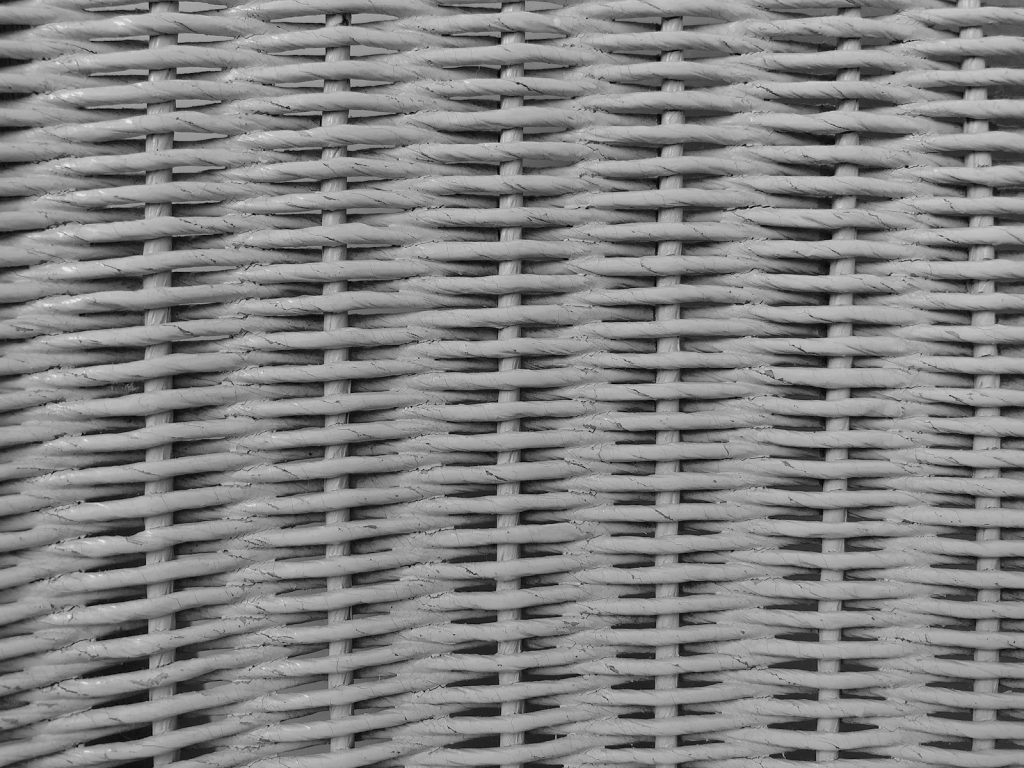
The visual appeal of rattan webbing stems from its inherent texture and the artisanal quality of its weave. Unlike flat painted or upholstered surfaces, rattan webbing offers a three-dimensional quality that interacts with light, creating subtle shadows and highlights throughout the day. This dynamic materiality adds depth to an interior scheme.
Different weave patterns—from tightly woven closed cane webbing to more pronounced basket weaves—offer varied aesthetic outcomes. For wall panels, finer, more consistent closed weaves are often preferred to achieve a uniform appearance across expansive surfaces. The natural variations in rattan fibers, including slight color shifts and characteristic imperfections, contribute to the material’s authenticity, ensuring no two installations are identical. This uniqueness is often a desired attribute for designers seeking bespoke, high-end finishes.
Sustainability and Sourcing Natural Rattan
Demand for natural materials is increasingly driven by sustainability mandates and consumer preference for eco-conscious products. Rattan is a fast-growing, renewable resource native to Southeast Asian rainforests. Its cultivation and harvesting typically involve minimal environmental impact compared to timber logging, as it grows as a vine and does not require the felling of trees.
Our sourcing practices prioritize ethically harvested rattan, supporting local communities involved in its processing. By choosing natural rattan webbing for wall panels, designers and developers contribute to a circular economy, opting for a biodegradable material that minimizes environmental footprint. This sustainability aspect is a significant driver for projects targeting LEED certification or adhering to similar green building standards. When specifying natural rattan, buyers are investing in a material with inherent environmental benefits, a clear differentiator from petroleum-based synthetic alternatives.
Technical Specifications for Wall Panel Applications
Successful implementation of `rattan webbing wall panel` projects requires a clear understanding of material specifications, particularly concerning weave type, dimensions, and installation considerations. These technical details directly influence both the aesthetic outcome and the longevity of the finished surface.
Preferred Weave Types: Closed for Uniformity
For wall cladding, a uniform and consistent appearance is generally desired. This often leads to the selection of closed weave patterns. Closed weaves minimize transparency and provide a more solid, continuous surface, which is crucial for achieving a seamless `cane webbing wall covering`.
* Closed Cane Webbing (Radio Weave/Square Mesh): This is one of the most common and versatile closed weaves. It features tightly woven strands that create a relatively opaque surface. The even spacing and consistent pattern make it ideal for large areas where visual continuity is paramount. The strength of the weave also contributes to its durability in vertical applications.
* Basket Weave (Matting): Characterized by an over-and-under pattern with broader strips of rattan, basket weave offers a more pronounced texture. While typically less open than hexagonal cane, some variations can be very tightly woven, providing good coverage. Its bolder texture may be preferred for feature walls or areas where a stronger visual statement is desired.
* Herringbone Weave: This intricate diagonal pattern offers a sophisticated visual texture. When tightly woven, herringbone provides excellent coverage and a distinctive aesthetic. It requires precise manufacturing to maintain pattern consistency across large rolls.
The selection of weave depends on the specific design intent—whether a subtle texture is preferred or a more pronounced pattern is desired. Our inventory includes a range of closed weaves suitable for wall panels, each offering unique characteristics.
Standard and Project-Specific Roll Widths
A critical factor for large-scale wall installations is the availability of adequate roll widths to minimize seams and facilitate efficient application. We supply `large rattan webbing rolls` specifically suited for architectural projects.
Standard roll widths typically range:
* Natural Rattan Webbing: From 45 cm up to 90 cm.
* Synthetic Rattan Webbing: Often available in wider formats, sometimes exceeding 120 cm due to manufacturing processes.
For wall panels, the most sought-after natural rattan widths are often 90 cm (approximately 35.4 inches) and 100 cm (approximately 39.4 inches). These wider rolls significantly reduce the number of vertical seams required for an installation, contributing to a more continuous aesthetic.
For projects requiring non-standard dimensions, we offer custom cutting services. Rolls can be slit to specific widths to match project requirements, optimizing material usage and reducing waste on-site. It is important to specify required widths early in the procurement process to ensure production capacity and lead times can be met.
Material Options: Natural vs. Synthetic Rattan
The choice between natural and synthetic rattan webbing for wall panels depends on environmental conditions, durability requirements, and aesthetic preferences. Each material presents distinct advantages.
- Natural Rattan Webbing
-
- Aesthetics: Authentic natural texture, subtle color variations, develops a patina over time.
- Sustainability: Renewable, biodegradable, aligns with biophilic and green building principles.
- Durability: Excellent tensile strength. Susceptible to moisture, humidity fluctuations, and direct sunlight without proper sealing.
- Maintenance: Requires sealing (lacquer, varnish) to protect against moisture and enhance durability. Can be cleaned with a damp cloth.
- Cost: Generally reflects artisanal production and raw material value. Prices vary by weave complexity and origin. Last verified June 2026, prices for common closed weaves range from $3.50 to $7.00 per linear meter for 60cm wide rolls, increasing with width and weave complexity.
- Applications: Ideal for interior, controlled environments where natural aesthetic is paramount.
- Synthetic Rattan Webbing
-
- Aesthetics: Mimics natural rattan, but with uniform color and texture. Does not age like natural rattan.
- Sustainability: Made from polyethylene (HDPE/PP). Not biodegradable. Recyclability depends on local infrastructure.
- Durability: Highly resistant to UV radiation, moisture, mold, and insects. Extremely durable in outdoor and high-humidity environments.
- Maintenance: Virtually maintenance-free; can be cleaned with soap and water. No sealing required.
- Cost: Often more stable due to industrial production. Last verified June 2026, prices for common closed weaves range from $2.50 to $5.00 per linear meter for 60cm wide rolls, generally lower than natural rattan for similar dimensions.
- Applications: Suitable for outdoor applications, bathrooms, kitchens, and commercial spaces requiring high durability and low maintenance.
For `rattan webbing wall panel` applications, natural rattan is typically chosen for its organic appeal and biophilic qualities in dry, climate-controlled interiors. Synthetic options are considered for high-moisture areas or spaces demanding extreme durability and minimal upkeep.
Managing Seams in Large-Scale Installations
An important consideration for `cane webbing wall covering` is the presence of seams. While we supply `large rattan webbing rolls` up to 100 cm wide, achieving a truly seamless appearance across an entire wall requires careful planning and installation techniques.
Natural rattan webbing, being a handwoven product, will always present slight variations. When joining rolls, even with perfectly aligned patterns, a visual seam may be discernible upon close inspection. This is inherent to the material and artisanal process. Designers should manage client expectations regarding this characteristic.
Installation best practices for minimizing visual impact of seams include:
* Pattern Matching: Carefully aligning the weave pattern from one roll to the next.
* Consistent Tension: Applying webbing with uniform tension to prevent puckering or gaps.
* Strategic Placement: Positioning seams in less conspicuous areas or integrating them into the design through trim or battens.
* Backing: Applying webbing over a consistent, solid substrate (e.g., plywood, MDF) painted to match the rattan’s natural tone can help unify the background color and reduce seam visibility.
For projects aiming for the most uniform appearance, specifying the widest possible rolls is advisable. We recommend discussing specific project requirements with our team to determine the optimal roll dimensions and installation strategy.
Sourcing Rattan Webbing for Commercial Projects
Procuring `rattan webbing wall panel` materials for commercial and large-scale residential projects involves a distinct process focused on volume, consistency, and logistical efficiency. Our role as an independent sourcing and export desk is to streamline this for buyers.
Minimum Order Quantities (MOQ) for Project-Scale Orders
For commercial projects, `rattan wall panel supplier` operations are structured around bulk orders. Our Minimum Order Quantity (MOQ) for rattan webbing typically starts from 100-200 linear meters per pattern and width. This threshold allows for efficient production runs and competitive pricing.
However, MOQs can vary based on:
* Weave Type: Specialized or intricate weaves may have higher MOQs due to specific loom setups or raw material availability.
* Width: Custom or unusually wide rolls (e.g., 100 cm and above) may also command higher MOQs to justify production adjustments.
* Material: Natural rattan MOQs can differ from synthetic rattan MOQs.
It is advisable for project managers and designers to factor these MOQs into their material estimates early in the design phase. For smaller sample orders or prototyping, we may accommodate lower quantities, often with a different pricing structure.
Lead Times and Production Capacity
Project timelines are critical. Our typical lead times for `large rattan webbing rolls` for commercial orders are as follows:
* Production: Generally 4-6 weeks from confirmed order and deposit receipt. This period accounts for raw material preparation, weaving, drying, and initial quality checks.
* Custom Orders: Custom widths, specific weave patterns not in regular production, or very large volumes (e.g., exceeding 1,000 linear meters) may extend production lead times to 6-10 weeks.
* Shipping: This is in addition to production time and depends on the destination and chosen shipping method (sea freight being 3-6 weeks, air freight significantly shorter but costlier).
Our production capacity is substantial, capable of fulfilling multi-thousand linear meter orders. However, large-scale projects benefit from early engagement with our team to reserve production slots and ensure timely delivery. Seasonal demand peaks (e.g., pre-holiday periods) can also influence lead times, making advance planning essential.
Quality Control and Export Documentation
As an export desk, we maintain rigorous quality control standards to ensure the consistency and integrity of all `cane webbing wall covering` materials. Our QC process includes:
* Raw Material Inspection: Verifying the quality, color, and moisture content of rattan strips before weaving.
* In-Process Checks: Monitoring weave consistency, tension, and pattern alignment during production.
* Final Inspection: Comprehensive assessment of finished rolls for defects, dimensions, and overall appearance before packaging.
* Moisture Content: Ensuring optimal moisture levels to prevent mold or cracking during transit and storage.
Crucially, all shipments come with full export documentation, which includes:
* Commercial Invoice & Packing List: Standard shipping documents.
* Bill of Lading (for sea freight) / Air Waybill (for air freight): Transportation contracts.
* Certificate of Origin: Verifies the product’s country of manufacture (Indonesia).
* Phytosanitary Certificate: Required for natural plant-based materials to confirm they are free from pests and diseases. This is critical for international customs clearance.
* Fumigation Certificate: Confirms that packaging materials (e.g., wooden pallets) have been treated to prevent pest transfer, complying with ISPM 15 standards.
These documents are essential for smooth customs clearance and compliance with international trade regulations, minimizing potential delays or issues upon arrival at the destination port.
Logistics and Delivery for Global Projects
Efficient logistics are paramount for project-scale orders of `rattan webbing wall panel` materials. We offer flexible shipping solutions to accommodate diverse project timelines and budget requirements for international buyers.
FOB (Free On Board) vs. DDP (Delivered Duty Paid) Options
Understanding Incoterms is crucial for international procurement. We primarily offer two common options for `rattan wall panel supplier` shipments:
* FOB (Free On Board) [Port of Loading, e.g., Surabaya, Jakarta]:
* Our Responsibility: We cover all costs and risks associated with transporting the goods to the specified port of loading in Indonesia and loading them onto the designated vessel. This includes export customs clearance and documentation.
* Buyer’s Responsibility: Once the goods are on board, the buyer assumes all subsequent costs and risks. This includes sea freight/air freight charges, insurance, import customs duties, taxes, and inland transportation from the destination port to the final project site.
* Advantages: Offers buyers greater control over shipping arrangements and potentially lower overall costs if they have established freight forwarder relationships or favorable freight contracts.
* DDP (Delivered Duty Paid) [Named Place of Destination]:
* Our Responsibility: We handle all aspects of the shipment, from our factory to the buyer’s specified final destination. This includes production, export clearance, main carriage (sea/air freight), insurance, import customs clearance, duties, taxes, and delivery to the final address.
* Buyer’s Responsibility: The buyer’s responsibility begins only upon receipt of the goods at the designated delivery point.
* Advantages: Offers maximum convenience for the buyer, who receives the goods without needing to manage international logistics complexities. Ideal for buyers unfamiliar with international shipping or those preferring a fixed, all-inclusive cost.
For `rattan webbing wall panel` projects, DDP can simplify procurement, especially for large volumes where managing multiple logistics providers can be complex. We advise buyers to consider their internal logistics capabilities and cost preferences when selecting an Incoterm.
Packaging and Handling Large Rattan Webbing Rolls
Proper packaging is critical to protect `large rattan webbing rolls` during transit. Our packaging protocols are designed to prevent damage from moisture, compression, and handling:
* Core Winding: Webbing is tightly wound onto sturdy cardboard or PVC cores to prevent crushing and creasing.
* Protective Wrapping: Each roll is individually wrapped in plastic sheeting to shield against moisture and dust.
* Outer Packaging: Rolls are then placed in heavy-duty corrugated cartons or sometimes wooden crates for larger orders, providing additional physical protection.
* Palletization: For sea freight, cartons are typically stacked on ISPM 15 compliant wooden pallets, shrink-wrapped, and strapped for stability, facilitating easier handling by forklifts and reducing movement during transit.
* Labeling: Each package is clearly labeled with product specifications, dimensions, quantity, and handling instructions.
This robust packaging ensures that the `rattan webbing wall panel` material arrives at the project site in optimal condition, ready for installation.
Shipping Routes and Timelines
Indonesia, as a major `rattan wall panel supplier`, has well-established shipping routes to global destinations.
* Sea Freight: The most cost-effective option for `large rattan webbing rolls`. Transit times vary significantly by destination:
* Asia (e.g., Singapore, Hong Kong, Shanghai): Typically 1-2 weeks.
* Australia: 2-3 weeks.
* Europe (e.g., Rotterdam, Hamburg, Felixstowe): 4-6 weeks.
* North America (e.g., Los Angeles, New York): 3-5 weeks.
* Air Freight: A faster option, suitable for urgent orders or smaller volumes, though considerably more expensive. Transit times typically range from 3-7 days to major international airports.
These timelines are estimates and can be affected by factors such as port congestion, customs delays, and weather conditions. We work with reputable freight forwarders to provide current and accurate shipping schedules for each project.
Beyond Aesthetics: Acoustic Properties of Rattan Webbing
While primarily valued for its aesthetic contribution to biophilic design, `rattan webbing wall panel` applications also offer functional benefits, particularly in acoustic management. This is an increasingly important consideration in modern interior architecture.
The Role of Weave Structure in Sound Diffusion
Rattan webbing, especially open or semi-closed weaves, can contribute to acoustic comfort through sound diffusion and absorption. Unlike solid, reflective surfaces (e.g., painted drywall, glass), the woven structure of rattan inherently introduces irregularities.
* Diffusion: The non-uniform surface of woven rattan helps to scatter sound waves rather than reflecting them directly. This diffusion reduces echoes and reverberation, leading to a more balanced sound environment. The varying angles and depths created by the interwoven strands act as natural diffusers.
* Absorption: While rattan itself is not a primary acoustic absorber like specialized foam panels, its fibrous nature and the small air pockets within its weave can absorb a certain degree of sound energy, particularly at mid to high frequencies. When integrated with an appropriate acoustic backing material, its absorption capabilities are significantly enhanced.
For applications requiring specific acoustic performance, the choice of weave pattern can be refined. More open weaves might offer greater diffusion, while denser, closed weaves could be paired with absorbent backings for composite acoustic solutions.
Integrating Rattan into Acoustic Panel Systems
The aesthetic qualities of `rattan webbing wall panel` combine well with engineered acoustic solutions. Designers are increasingly using rattan webbing as a decorative face material for purpose-built acoustic panels.
Here’s how rattan can be integrated:
1. Acoustic Core: A substrate made from sound-absorbing materials (e.g., mineral wool, recycled PET felt, fiberglass) forms the core of the panel.
2. Rattan Webbing Overlay: The chosen rattan webbing is stretched and affixed over this acoustic core. The webbing provides the desired natural aesthetic while allowing sound waves to pass through to the absorbent material beneath.
3. Frame/Mounting: The entire assembly is then framed or mounted to the wall, often with an air gap behind it to further enhance acoustic performance.
This approach allows for the creation of visually appealing `rattan acoustic panel` systems that effectively manage sound within a space without compromising on design. It is particularly relevant for environments like open-plan offices, restaurants, hotel lobbies, and conference rooms where both aesthetics and acoustic comfort are critical. Our `rattan wall panel supplier` expertise extends to advising on suitable weaves for such composite applications.
For project-specific advice on material selection, technical specifications, and logistics, our team is available to assist. We understand the nuances of large-scale material procurement and are committed to supporting your vision. Plan your project with us today via our contact form or WhatsApp for direct consultation.
Frequently Asked Questions
Can natural rattan webbing be used in high-humidity environments like bathrooms?
Natural rattan webbing is not generally recommended for direct exposure to high and fluctuating humidity, such as in bathrooms, without significant protective treatment. High moisture can cause natural rattan to swell, warp, or develop mold. For such environments, synthetic rattan webbing is a more durable and low-maintenance alternative, as it is inherently moisture and mold-resistant. If natural rattan is absolutely desired, it must be thoroughly sealed with a marine-grade varnish or lacquer, and the space must have excellent ventilation.
What is the typical lifespan of a rattan webbing wall panel installation?
The lifespan of a `rattan webbing wall panel` installation depends on several factors: the quality of the rattan, the weave type, the installation method, environmental conditions, and maintenance. With proper installation in a climate-controlled interior, and if natural rattan is sealed and maintained, it can last for many decades. Synthetic rattan webbing offers exceptional longevity, often exceeding 15-20 years, even in challenging conditions, due to its resistance to UV, moisture, and pests.
How do I clean and maintain rattan webbing wall panels?
For natural rattan webbing, regular dusting with a soft brush or vacuum with a brush attachment is sufficient. For spills or marks, lightly dampening a cloth with mild soap and water can clean the area, followed immediately by drying. Avoid excessive moisture. Synthetic rattan webbing is highly durable and can be cleaned more vigorously with soap and water, or even a pressure washer for extreme cases, without risk of damage. Always test cleaning agents on an inconspicuous area first.
Can rattan webbing be painted or stained to match specific interior palettes?
Yes, natural rattan webbing can be painted or stained. Painting will fully cover the natural texture and color, offering a uniform finish in any chosen hue. Staining allows the natural grain and texture of the rattan to show through while altering its color to a desired tone (e.g., darker wood tones, lighter washes). It is recommended to perform a test on a small sample piece first to ensure the desired effect and proper adhesion. Synthetic rattan webbing, being made of plastic, is generally not suitable for painting or staining as it does not absorb color effectively and paint adhesion can be poor.
Is it possible to order custom weave patterns or colors for large projects?
For `large rattan webbing rolls` and commercial projects, we can often accommodate custom weave patterns or specific color requirements, particularly for synthetic rattan. Natural rattan offers less flexibility in terms of color (beyond its natural variations or standard stains/finishes) but custom weave patterns can be discussed for significant order volumes. Custom orders typically require higher MOQs and extended lead times to account for tooling, material sourcing, and production setup. We encourage designers to discuss their bespoke requirements early in the project planning phase.
We invite you to reach out to our procurement specialists to discuss your upcoming `rattan webbing wall panel` project. Our expertise in sourcing and logistics ensures a smooth process from specification to delivery. Connect with us via our contact page or WhatsApp to plan your trip into the world of natural material procurement.