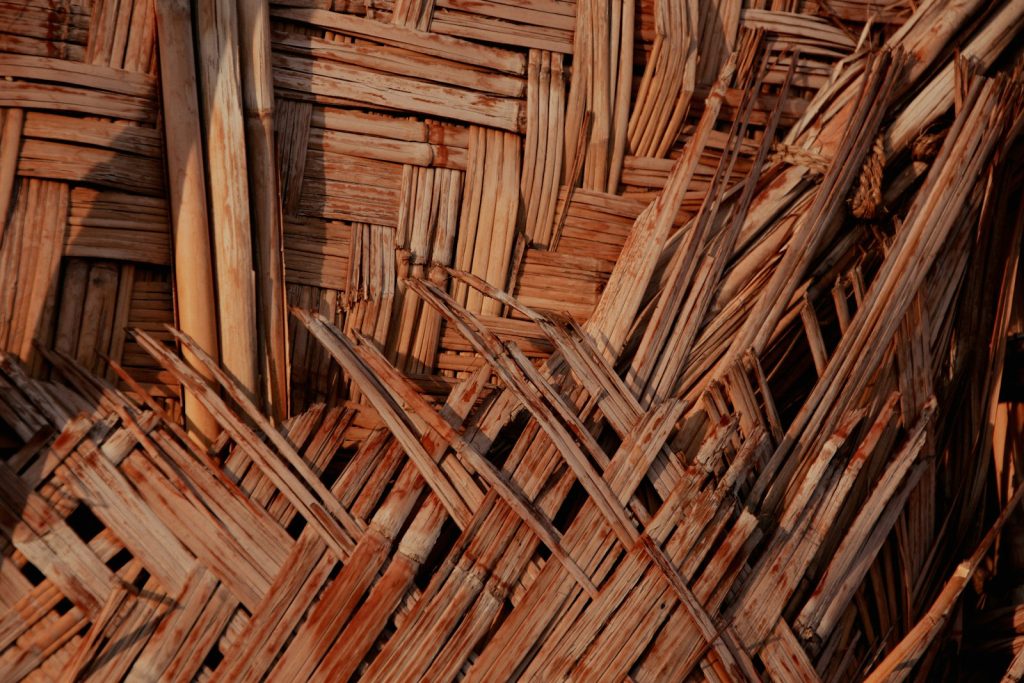
Sourcing & export note: Indonesia supplies over 80% of the world’s natural rattan raw material; we aggregate vetted producers in Cirebon, Jepara and Bali. Natural rattan (Calamus and Daemonorops spp.) is not listed under CITES, so no CITES permit is required. Roll dimensions, strand width, weave consistency and moisture (kiln-dried to a 12–16% range) vary naturally by producer and order. Prices are indicative ranges (last verified June 2026); final pricing is by quote per pattern and width. We are an independent sourcing and export desk, prepare standard export documents, and connect you to vetted Indonesian workshops — this is general information, not legal or customs advice.
Rattan webbing patterns are fundamental to both the aesthetic and functional properties of woven rattan products, directly influencing their application, durability, and visual appeal. As Kartika Putri, Materials & Pattern Editor at Rattan Webbing Supplier, my role involves detailing the technical specifications and nuances of these materials. This comprehensive guide outlines the primary types of rattan weave—open, closed, herringbone, radio, and hexagonal—exploring their unique characteristics, typical use cases, and procurement considerations.
Understanding Rattan Webbing Patterns
Rattan webbing is a versatile material, traditionally handwoven from the outer skin or inner core of rattan palms. The specific pattern defines its structural integrity, ventilation properties, and overall design impact. While natural rattan remains a primary material, synthetic alternatives offer enhanced durability and weather resistance for outdoor or high-moisture applications.
Natural Rattan vs. Synthetic Webbing Materials
The choice of material significantly impacts the webbing’s performance and appearance.
* Natural Rattan: Sourced primarily from Indonesian islands like Sulawesi and Kalimantan, natural rattan offers inherent strength, flexibility, and a distinct organic aesthetic. Its fibers are typically processed from the rattan cane’s outer skin (cane webbing) or the inner core (spline). Natural variations in color, texture, and strand thickness are inherent and contribute to its unique charm. Proper moisture content (typically 8-12%) is crucial for stability and longevity.
* Synthetic Webbing (PE, PVC): Engineered from polyethylene (PE) or polyvinyl chloride (PVC), synthetic webbing replicates the look of natural rattan but offers superior resistance to UV radiation, moisture, and pests. It is uniform in color and texture, requiring less maintenance. Synthetic options are ideal for outdoor furniture, marine applications, or environments where natural rattan would degrade quickly.
Key Factors Influencing Pattern Choice
When selecting rattan webbing patterns, several factors warrant consideration:
* Application: Will the webbing be used for furniture inserts, decorative panels, architectural screens, or other purposes?
* Aesthetics: What visual effect is desired? Open weaves offer transparency and lightness; closed weaves provide privacy and solidity.
* Durability & Strength: Some patterns are inherently stronger or more flexible than others due to their weave structure.
* Cost & Lead Time: More intricate patterns often require specialized weaving techniques, impacting production cost and lead times.
* Environmental Conditions: Natural rattan requires specific environmental considerations, while synthetics offer broader applicability.
Detailed Guide to Rattan Webbing Patterns
1. Open Cane Webbing (Standard Rattan Webbing)
Open cane webbing, often referred to simply as cane webbing, is perhaps the most recognized and widely used rattan webbing pattern. It is characterized by its distinctive hexagonal holes, creating a breathable, semi-transparent mesh.
Description and Visual Characteristics
Open cane webbing is crafted by weaving thin strips of rattan peel (cane) into a uniform, open-weave structure. The hexagonal apertures, typically 1/2-inch or 5/8-inch across, allow for air circulation and light penetration. The natural material showcases subtle variations in tone, from light cream to golden brown, with a smooth, slightly glossy finish from the rattan’s outer skin. Strand widths commonly range from 1.8mm to 2.5mm, producing a delicate yet robust material.
Typical Applications
This pattern is ubiquitous in classic and contemporary furniture design.
* Chair Seats and Backs: Its breathability and ergonomic flexibility make it ideal for comfortable seating, preventing heat buildup.
* Cabinet Door Inserts: Offers a semi-transparent screen, allowing for ventilation of contents while partially obscuring them. This is popular for media consoles or wardrobes.
* Decorative Panels: Used in headboards, room dividers, and wall coverings to introduce texture and a natural element.
* Screens and Partitions: Provides a degree of privacy without completely blocking light or airflow.
Material Specifications
* Standard Roll Widths: Commonly available in 45cm, 60cm, 90cm, and 100cm. Custom widths can be ordered but may incur higher MOQs and longer lead times.
* Standard Roll Lengths: Typically 15-meter rolls, but 30-meter or 50-meter options are also common for larger projects.
* Strand Widths: 1.8mm, 2.0mm, 2.25mm, 2.5mm are standard. Finer weaves (e.g., 1.8mm) offer a more refined appearance, while slightly wider strands provide increased durability.
* Moisture Content: For natural rattan, maintained at 8-12% to prevent brittleness or mold.
* Finish Options: Unfinished (raw), bleached, or natural lacquer. Bleached options provide a lighter, more uniform base for staining or painting.
Relative Pricing & Availability
Open cane webbing is generally the most cost-effective and readily available rattan webbing pattern due to its widespread demand and established production methods.
* Pricing: Typically ranges from $8.50 – $15.00 per square meter, last verified June 2026. This range depends on strand width, roll dimensions, and order volume.
* Availability: High stock levels are common for standard widths and lengths. Custom orders for specific strand widths or finishes may require 4-6 weeks for production.
Manufacturing Considerations
The weaving process for open cane webbing is well-established, utilizing both semi-automated and hand-weaving techniques. Quality control focuses on uniformity of hexagonal holes, consistent strand tension, and absence of significant breaks or splinters. Natural variations in cane color and minor shifts in weave alignment are inherent to handwoven products and are generally not considered defects unless they compromise structural integrity or exceed specified tolerance levels.
2. Closed Cane Webbing (Solid/Blind Weave)
Closed cane webbing presents a solid, opaque surface, offering complete privacy and a more robust appearance compared to its open counterpart.
Description and Visual Characteristics
This pattern is created by tightly weaving rattan strips, leaving no gaps or apertures. The result is a continuous, dense surface that highlights the natural texture and sheen of the rattan material. The weave can appear basket-like or more intricate depending on the strand configuration. Like open cane, it typically uses rattan peel, maintaining similar natural color variations. Strand widths are often slightly wider or woven more densely to achieve the complete closure.
Typical Applications
Closed cane webbing is chosen when privacy, solidity, or a bolder visual statement is required.
* Solid Cabinet Doors and Panels: Provides full concealment for cabinet contents, often used in kitchens, bedrooms, or office furniture.
* Headboards and Wall Panels: Creates a substantial and textured backdrop, contributing to a room’s aesthetic.
* Room Dividers and Screens: Offers complete visual separation, making it suitable for creating distinct zones within an open space.
* Furniture Surfaces: Can be used for tabletops (under glass), drawer fronts, or other surfaces requiring a solid, durable finish.
Material Specifications
* Standard Roll Widths: Similar to open cane: 45cm, 60cm, 90cm, 100cm.
* Standard Roll Lengths: Typically 15-meter rolls.
* Strand Widths: Often 2.0mm to 3.0mm, sometimes wider, depending on the desired density and visual effect. The tight weave demands greater material usage.
* Moisture Content: As with all natural rattan, 8-12% is critical.
* Finish Options: Raw, bleached, or clear lacquer. Staining is also an option, with the tight weave absorbing stain uniformly.
Relative Pricing & Availability
Due to the higher material usage and often more labor-intensive weaving, closed cane webbing is generally more expensive than open cane webbing.
* Pricing: Typically ranges from $12.00 – $22.00 per square meter, last verified June 2026. Pricing varies with weave density and strand width.
* Availability: Moderate stock levels for common specifications. Custom orders may require 6-8 weeks.
Manufacturing Considerations
Achieving a consistently tight and uniform closed weave requires skilled artisans and careful material preparation. Imperfections like gaps, uneven tension, or overlapping strands are more noticeable in closed weaves. QC checks focus on weave integrity, surface flatness, and consistent texture across the roll.
3. Herringbone Webbing
Herringbone webbing is characterized by its distinctive V-shaped or broken zig-zag pattern, creating a highly textural and visually dynamic surface.
Description and Visual Characteristics
This pattern is achieved by weaving strands in alternating directions, forming diagonal lines that meet to create a continuous “fishbone” or V-shape. The visual effect is one of movement and depth, providing a sophisticated alternative to simpler weaves. Herringbone webbing can use either rattan peel (cane) for a finer look or rattan core (split rattan) for a more rustic, substantial feel. The pattern is usually tighter than open cane but not fully closed, offering limited light filtration depending on the weave density.
Typical Applications
Herringbone webbing lends itself to upscale and designer applications where a distinct visual statement is desired.
* Feature Furniture Panels: Excellent for cabinet fronts, dressers, or side tables where the pattern can be a focal point.
* Decorative Screens and Dividers: Creates visual interest while maintaining a sense of openness.
* Wall Coverings: Adds architectural texture and warmth to interior spaces.
* Luxury Item Inlays: Used in high-end boxes, trays, or decorative accessories.
Material Specifications
* Standard Roll Widths: Often found in 60cm, 90cm, and 100cm widths. Wider options may be custom.
* Standard Roll Lengths: Typically 15-meter rolls.
* Strand Widths: Varies significantly, from 2.0mm cane for a refined herringbone to 4.0mm split rattan for a more pronounced texture.
* Moisture Content: 8-12% for stability.
* Finish Options: Raw, bleached, or lacquered. The pattern holds stains well, accentuating its texture.
Relative Pricing & Availability
The complexity of the herringbone weave makes it one of the more expensive patterns.
* Pricing: Typically ranges from $18.00 – $30.00 per square meter, last verified June 2026. Price depends on material (cane vs. core), strand width, and weave density.
* Availability: Less common than open or closed cane; often produced to order. Lead times can be 8-12 weeks.
Manufacturing Considerations
Herringbone weaving requires significant skill and precision to maintain pattern consistency and strand alignment. QC checks meticulously evaluate the regularity of the V-shapes, consistent tension across the weave, and the absence of misaligned or broken strands. Natural variations in rattan color can be more pronounced in herringbone patterns, adding to their unique character.
4. Radio Weave (Spiderweb/Basket Weave)
Radio weave, sometimes referred to as spiderweb or basket weave, features a concentric, often radial, pattern originating from a central point or series of points, creating a distinct visual focus.
Description and Visual Characteristics
This pattern involves strands radiating outwards from a central axis or woven in concentric circles, resembling a spiderweb or a tightly woven basket. The weave is dense and offers significant opacity, similar to closed cane, but with a more dynamic, often geometric, visual structure. It commonly utilizes rattan core or thicker cane strands to achieve its robust appearance. The inherent curvature of rattan can be emphasized in this pattern.
Typical Applications
Radio weave is highly decorative and often used as a statement piece.
* Feature Panels in Furniture: Excellent for adding a focal point to cabinet doors, screens, or headboards.
* Decorative Trays and Tabletops: Its sturdy nature makes it suitable for surfaces that might see light use, often protected by glass.
* Wall Art and Architectural Elements: The radial pattern can create impactful visual installations.
* High-End Storage Boxes: Provides a distinct, handcrafted look for luxury storage solutions.
Material Specifications
* Standard Roll Widths: More varied, often produced in smaller panels or specific dimensions rather than continuous wide rolls, though 60cm or 90cm may be available.
* Standard Roll Lengths: Often produced in shorter rolls (e.g., 5-10 meters) or as pre-cut panels due to the pattern’s complexity.
* Strand Widths: Typically 3.0mm to 5.0mm, using rattan core for strength and visual impact.
* Moisture Content: 8-12% is standard.
* Finish Options: Raw, often lacquered to protect the intricate weave. Stains can highlight the pattern’s depth.
Relative Pricing & Availability
The intricate nature and often customized production of radio weave make it one of the most premium options.
* Pricing: Ranges significantly, from $25.00 – $45.00+ per square meter, last verified June 2026, depending on complexity, strand thickness, and whether it’s continuous or panelized.
* Availability: Almost exclusively made-to-order. Lead times can extend to 10-16 weeks.
Manufacturing Considerations
Radio weave is highly labor-intensive, requiring exceptional weaving skill to maintain the radial symmetry and tension. QC is paramount, focusing on the precision of the pattern’s center, uniformity of radiating strands, and consistent weave density. Small deviations can significantly impact the overall aesthetic.
5. Hexagonal Weave (Fine Hex)
While open cane webbing also features hexagonal holes, “hexagonal weave” or “fine hex” often refers to a denser, more tightly woven version of the classic pattern, or sometimes a variation where the hexagons are smaller or more pronounced.
Description and Visual Characteristics
This pattern consists of interlocking hexagonal cells, similar to open cane but typically with smaller apertures and/or finer strands. The result is a more refined, delicate mesh with slightly less transparency and increased structural integrity due to the higher density of woven material. The hexagons might be 3/8-inch or 1/4-inch across, created with very thin cane strips (1.5mm-2.0mm). It offers a sophisticated, understated texture.
Typical Applications
Fine hexagonal weave is ideal for applications requiring a refined aesthetic and subtle texture.
* High-End Furniture Inserts: Used in luxury chairs, benches, and cabinet doors where a delicate, elegant look is desired.
* Decorative Screens and Room Dividers: Provides a semi-transparent barrier with a refined visual texture.
* Lighting Fixtures: Allows for diffused light while adding a unique textural element.
* Small Decorative Items: Inlays for jewelry boxes, photo frames, or decorative panels.
Material Specifications
* Standard Roll Widths: Commonly 45cm, 60cm, and 90cm.
* Standard Roll Lengths: Typically 15-meter rolls.
* Strand Widths: Often 1.5mm to 2.0mm, specifically chosen for its fine, delicate appearance.
* Moisture Content: 8-12%.
* Finish Options: Raw, bleached (to enhance its lightness), or natural lacquer.
Relative Pricing & Availability
The finer strands and denser weave often mean higher material usage and more intricate labor, placing fine hexagonal weave at a moderate to high price point.
* Pricing: Typically ranges from $15.00 – $28.00 per square meter, last verified June 2026.
* Availability: Moderate stock for common specifications; custom orders for very fine gauges or specific finishes may require 6-10 weeks.
Manufacturing Considerations
Weaving fine hexagonal patterns demands precision to maintain the small, uniform hexagonal apertures without tearing the delicate cane. QC focuses on consistency of aperture size, even tension, and the absence of breaks or inconsistencies in the fine strands. As with all natural rattan, expect subtle variations in color.
Plan your trip now to discuss specific requirements for your next project. Our team is ready to provide detailed technical specifications and assist with material selection.
Comparison of Rattan Webbing Patterns
This table provides a concise overview of the five primary rattan webbing patterns, highlighting key attributes for quick reference.
| Pattern Type | Visual Characteristic | Transparency/Opacity | Typical Strand Width | Typical Application | Relative Cost (last verified June 2026) | Common Lead Time (Standard Order) |
|---|---|---|---|---|---|---|
| Open Cane Webbing | Hexagonal holes (1/2″-5/8″) | Semi-transparent (High airflow) | 1.8mm – 2.5mm | Chair seats/backs, cabinet inserts, screens | $8.50 – $15.00/sqm (Low) | 4-6 weeks |
| Closed Cane Webbing | Solid, dense weave, no gaps | Opaque (No airflow) | 2.0mm – 3.0mm | Cabinet doors, headboards, solid panels | $12.00 – $22.00/sqm (Medium) | 6-8 weeks |
| Herringbone Weave | V-shaped / Zig-zag pattern | Low transparency (Dense texture) | 2.0mm – 4.0mm | Feature furniture panels, decorative screens | $18.00 – $30.00/sqm (High) | 8-12 weeks |
| Radio Weave | Concentric / Radial pattern | Opaque (Dynamic texture) | 3.0mm – 5.0mm (Rattan core) | Statement furniture pieces, wall art | $25.00 – $45.00+/sqm (Very High) | 10-16 weeks (often MTO) |
| Hexagonal Weave (Fine) | Small, dense hexagonal holes (1/4″-3/8″) | Low transparency (Refined airflow) | 1.5mm – 2.0mm | Luxury furniture, lighting, delicate screens | $15.00 – $28.00/sqm (Medium-High) | 6-10 weeks |
Quality Control and Natural Variation in Rattan Webbing
Understanding the distinction between natural characteristics and manufacturing defects is crucial for procurement and client expectations. As an independent sourcing desk, we prioritize transparency regarding product quality.
Understanding Natural Rattan Variation
Natural rattan is an organic material harvested from renewable palm species. Inherent variations are part of its character and should be expected:
* Color Tone: Rattan strips can exhibit a range of natural colors, from pale cream to light brown or golden hues. Even within a single roll, minor tonal shifts are common. Bleaching processes can minimize this but rarely eliminate it entirely.
* Texture and Sheen: Slight differences in the smoothness or glossiness of the cane surface are normal, reflecting the specific part of the rattan cane used.
* Strand Thickness: While we specify strand width ranges, minor deviations (e.g., +/- 0.1mm) are typical due to the manual processing and natural growth patterns of the rattan.
* Minor Blemishes: Small, localized marks, knots, or slight discolorations are natural occurrences and not typically considered defects unless they are extensive or compromise structural integrity.
Manufacturing Defects vs. Inherent Characteristics
Our quality control (QC) protocols rigorously distinguish between acceptable natural variation and manufacturing defects.
* Defects: These include broken strands, significant gaps in closed weaves, inconsistent pattern alignment (especially noticeable in herringbone or radio weaves), uneven tension leading to warping, substantial discolorations or mold, or excessive splinters. These are grounds for rejection or classification as secondary grade material.
* Inherent Characteristics: These are the natural variations mentioned above. We work with our weaving partners to minimize these through careful material selection and skilled craftsmanship, but they cannot be entirely eliminated in handwoven products. Buyers should factor this authenticity into their product design and client communication.
Moisture Content Management
For natural rattan webbing, moisture content is a critical QC parameter. Rattan is hygroscopic, meaning it absorbs and releases moisture from the air.
* Optimal Range: We ensure natural rattan webbing leaves our facilities with a moisture content between 8-12%. This range balances flexibility (to prevent brittleness) with stability (to prevent mold or excessive expansion/contraction).
* Impact of Deviation: If moisture content is too high, the webbing is susceptible to mold growth during transit or storage. If too low, it becomes brittle and prone to cracking during handling or installation.
* Buyer Responsibility: Upon receipt, buyers should store natural rattan webbing in a climate-controlled environment, ideally similar to its final installation location, to allow it to acclimatize and stabilize its moisture content. Re-wetting or dampening is often recommended before installation to increase flexibility and prevent cracking.
Synthetic Webbing Considerations
Synthetic webbing offers greater uniformity and fewer natural variations. QC for synthetic products focuses on:
* Color Consistency: Uniformity of color across the roll.
* Strand Uniformity: Consistent width and thickness of synthetic strands.
* Weave Integrity: Absence of broken or misaligned strands, especially at the edges.
* UV Resistance: Verification of material specifications for UV inhibitors, particularly for outdoor-grade products.
Ordering and Logistics
Navigating the procurement process requires clear understanding of specifications and logistical frameworks.
Standard Roll Specifications
Our standard rolls are typically packed securely to prevent damage during transit.
* Widths: Common widths are 45cm, 60cm, 90cm, and 100cm.
* Lengths: Standard lengths are 15 meters, 30 meters, or 50 meters, depending on the pattern and material.
* Packaging: Rolls are generally wrapped in plastic film and often packed in cardboard cartons or woven bags for protection against moisture and physical damage.
* Custom Specifications: We facilitate custom widths, lengths, and specific finishes (e.g., specific stains or lacquer types) for larger orders. These require detailed specifications and impact MOQs and lead times.
Minimum Order Quantities (MOQ)
MOQs vary by pattern complexity and material.
* Standard Patterns (Open/Closed Cane): Typically 1-5 rolls for readily available widths/lengths.
* Complex Patterns (Herringbone, Fine Hex): Often 5-10 rolls.
* Specialty/Custom Orders (Radio Weave, specific strand widths/finishes): MOQs can range from 20-50 rolls or a minimum square meterage (e.g., 500-1000 sqm), as these require dedicated production runs.
Meeting MOQs ensures efficient production and competitive pricing.
Incoterms & Shipping Considerations
We facilitate shipments globally, utilizing standard Incoterms to define responsibilities.
* FOB (Free On Board): Common for sea freight. We deliver the goods to the designated port of loading (e.g., Tanjung Priok Port, Jakarta; Surabaya Port) and clear them for export. The buyer assumes responsibility and cost from that point, including main carriage, insurance, and import duties.
* CIF (Cost, Insurance, and Freight): We cover the cost of goods, insurance, and freight to the named port of destination. Risk transfers to the buyer once goods are loaded on the vessel at the port of origin.
* EXW (Ex Works): The buyer takes responsibility for goods at our factory gate in Indonesia. This is less common for international shipments but available for buyers with established local logistics.
* Air Freight: Available for urgent or smaller orders, though significantly higher in cost.
* Documentation: Full trade documentation, including commercial invoice, packing list, certificate of origin, and phytosanitary certificates (for natural rattan), is provided.
Lead Times
Lead times are influenced by pattern, material availability, order volume, and current production schedules.
* Standard Orders (Open/Closed Cane): Typically 4-8 weeks from order confirmation and deposit receipt.
* Complex or Custom Orders (Herringbone, Radio, Fine Hex): Can range from 8-16 weeks, depending on the specific requirements and current factory load.
* Shipping Transit: This is in addition to production lead times. Sea freight from Indonesia to North America or Europe typically takes 3-6 weeks, while to Australia/Asia it’s 1-3 weeks. Air freight is 3-7 days.
We advise confirming lead times at the time of inquiry, as they are subject to change based on market conditions.
Frequently Asked Questions
How do I differentiate between natural variation and a defect in rattan webbing?
Natural variation includes slight color tonal shifts, minor texture differences, and small, isolated imperfections inherent to an organic, handwoven material. Defects are issues that compromise structural integrity or aesthetic consistency significantly, such as broken strands, large gaps, warping, or major pattern misalignment. We provide detailed QC guidelines and images during the sampling process to set clear expectations.
Can I order custom sizes or specific finishes for rattan webbing?
Yes, custom sizes (widths, lengths) and specific finishes (e.g., custom stains, specialized lacquers) are available for most patterns. These typically require higher Minimum Order Quantities (MOQs) and longer lead times compared to standard specifications. Please provide detailed specifications for a precise quote and production timeline.
What is the recommended moisture content for natural rattan webbing, and how should it be stored?
Natural rattan webbing should have a moisture content between 8-12% for optimal flexibility and stability. Upon receipt, store the rolls flat in a cool, dry, climate-controlled environment away from direct sunlight or extreme temperature fluctuations. Allow the material to acclimatize for several days before use. For installation, particularly for seating, re-wetting the rattan slightly can enhance flexibility and prevent cracking.
What Incoterms do you typically use for international shipments?
We commonly use FOB (Free On Board) and CIF (Cost, Insurance, and Freight) for international sea freight, and sometimes EXW (Ex Works) for buyers with existing local logistics in Indonesia. We will specify the applicable Incoterm in our quotation, clarifying the responsibilities of both parties regarding costs and risks during transit.
Do you offer samples of your rattan webbing patterns?
Yes, we offer samples for all our rattan webbing patterns. This allows you to assess the material, weave quality, and finish before placing a larger order. Sample costs and shipping fees apply, which may be credited against a future bulk order.
We encourage you to plan your trip to our contact page to discuss your project specifics. Our team is available via WhatsApp for immediate inquiries and detailed planning assistance.